
Hypnosis for Overthinking Relief: Calm Your Mind Gently
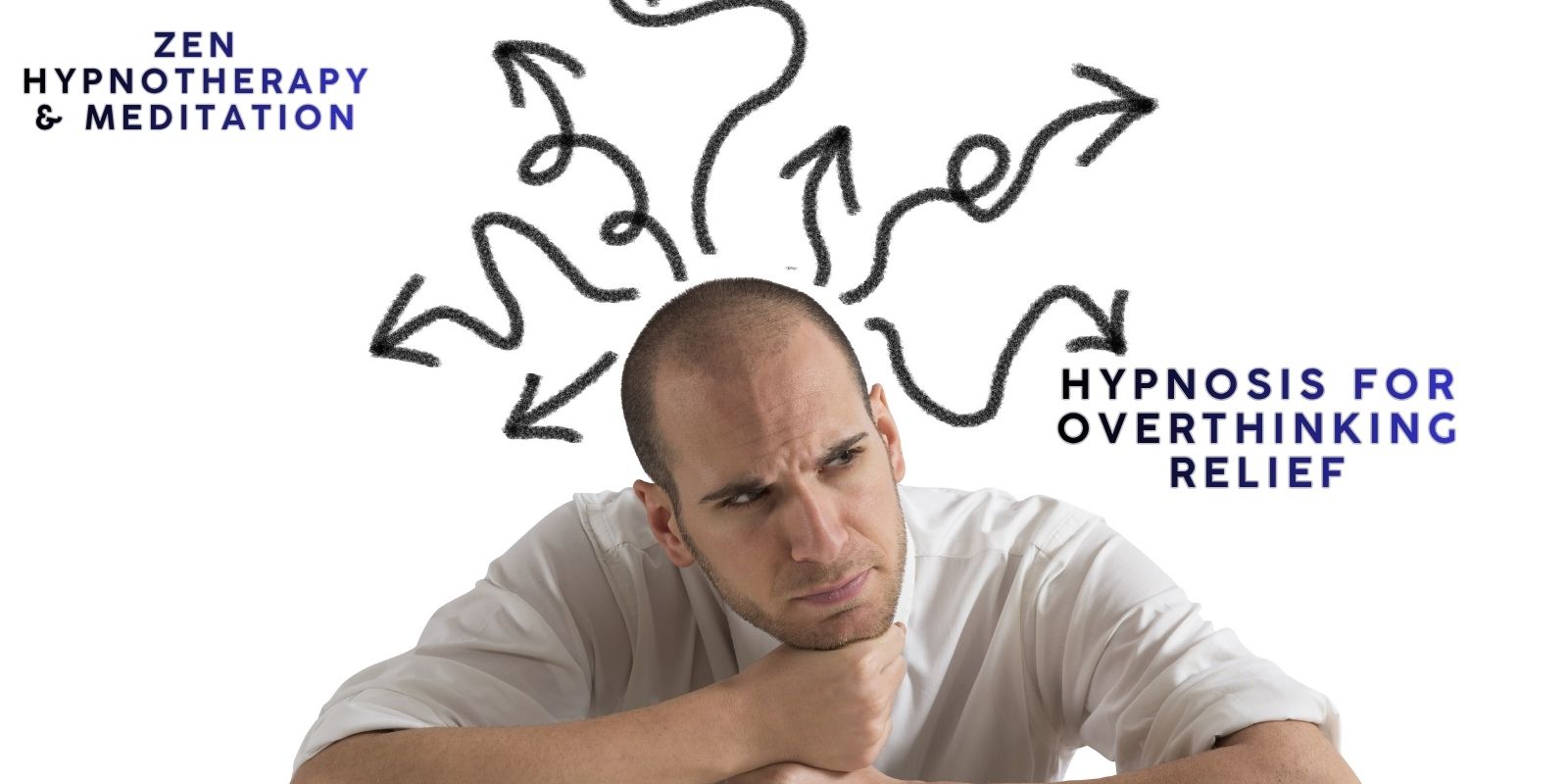
Through subconscious relaxation and guided focus, hypnosis helps reduce mental noise, easing you back into balance and clarity. This guide explores how hypnosis works, why it is transformative for overthinking, and how you can use it in everyday life. Hypnosis for Overthinking Relief: Overthinking can feel like an endless loop—your mind racing, your thoughts circling, and your clarity slowly fading. Hypnosis offers a gentle, effective way to interrupt this cycle and guide your mind into calm, spacious awareness.
Hypnosis-for overthinking relief helps quiet mental loops, reduce stress, and create inner calm by working directly with the subconscious mind. It gently rewires overactive thought patterns into peaceful clarity.
Table of Contents – Hypnosis for Overthinking Relief
- What Is Hypnosis for Overthinking Relief?
- How Hypnosis Breaks the Cycle of Overthinking
- Benefits of Hypnosis for Overthinking
- What to Expect in a Hypnosis Session
- How Hypnosis Supports Long-Term Mental Calm
- Key Takeaways
- FAQs
- Your Calm State Is Already Within You

What Is Hypnosis for Overthinking Relief?
Hypnosis for overthinking relief is a guided therapeutic process that helps slow down racing thoughts and quiet inner noise. Through deep relaxation and subconscious guidance, hypnosis helps the mind step out of the constant cycle of analyzing, worrying, and replaying scenarios. It becomes easier to breathe, think clearly, and rest in a calmer mental space.
Overthinking usually stems from heightened stress, emotional buildup, or subconscious fears. Because hypnosis works directly with the subconscious mind, it helps address these deeper emotional triggers rather than just managing surface-level symptoms. With gentle hypnotic cues, the mind finds its way back to presence and internal balance.
Those who struggle with overthinking often benefit from related hypnotherapy practices such as emotional detoxing. You can explore these methods in more detail through Emotional Detox Hypnosis at Zen Hypnotherapy, which offers deeper insight into subconscious emotional release.
How Hypnosis Breaks the Cycle of Overthinking
Hypnosis interrupts overthinking by calming the nervous system and creating mental stillness. When the mind becomes overstimulated, thoughts multiply rapidly, making it difficult to pause or redirect them. Hypnosis helps shift you into a relaxed brainwave state where mental spirals naturally slow down and lose their intensity.
During hypnosis, your subconscious mind becomes more receptive to calming suggestions. This helps weaken old patterns of overthinking and replace them with clearer, gentler responses. Hypnotic guidance may include visualization, sensory calming techniques, or breathing cues that help anchor the mind into the present moment, reducing mental chatter.
For additional techniques that support this mental shift, you may explore hypnotic breathwork methods, which blend breath and subconscious relaxation. A helpful overview can be found at Hypnotic Breathwork Techniques, showing how breath-led hypnosis enhances mental calm.
Benefits of Hypnosis for Overthinking
One of the strongest benefits of hypnosis for overthinking is the reduction of mental overwhelm. Guided relaxation helps the brain step out of chaotic loops, allowing space for clarity and calm. This relief often appears quickly, making hypnosis a practical tool for both immediate and long-term mental balance.
Hypnosis also helps regulate emotions associated with overthinking such as anxiety, fear, or self-doubt. As the subconscious mind softens, emotional tension becomes easier to release. This emotional clarity makes it easier to stay present rather than slipping back into repetitive worry or analysis.
The practice supports improved sleep, better focus, and more even moods. People who use hypnosis regularly often find it easier to make decisions, maintain perspective, and feel grounded during stressful moments. For a deeper look into therapeutic hypnosis approaches, the overview at London Hypnotherapy offers valuable insights into treating overthinking through hypnosis.
What to Expect in a Hypnosis Session
A typical hypnosis session for overthinking begins with guided relaxation designed to help you let go of tension. You might be invited to slow your breathing, relax your muscles, or focus on soothing mental imagery. As your mind settles, you naturally enter a receptive hypnotic state where inner calm becomes easier to access.
Once in hypnosis, the practitioner may use calming suggestions to guide your mind away from overactive thought patterns. These cues help shift your awareness from mental noise to inner stillness. Because hypnosis is a collaborative process, you always remain aware and in control while allowing your subconscious to release stress.
Some individuals explore complementary hypnosis recordings or guided sessions to extend the benefits. Audiobooks like the deep sleep hypnosis programs available on Storytel provide additional support for calming racing thoughts and improving rest.
How Hypnosis Supports Long-Term Mental Calm
Hypnosis helps create long-term calm by retraining your subconscious mind to respond differently to stress and overthinking triggers. With repeated sessions, the mind builds new pathways of clarity, allowing you to stay calm in situations that once triggered spiraling thoughts. Over time, this conscious and subconscious reprogramming creates lasting resilience.
When paired with lifestyle practices such as breathwork or emotional release, hypnosis becomes even more powerful. Consistent emotional clearing allows your mind to remain uncluttered, making it easier to maintain calm. These complementary methods can be strengthened through practices like Virtual Gastric Banding, which demonstrates how subconscious conditioning builds long-term change.
As the subconscious becomes more balanced, overthinking naturally decreases. You may still experience moments of stress, but they no longer trigger overwhelming thought spirals. Instead, your mind finds its way back to clarity faster, allowing calmness to become your natural state rather than an occasional experience.
Key Takeaways
- Hypnosis quiets racing thoughts and helps the mind reset.
- It reduces emotional tension and supports deeper calm.
- The subconscious becomes more receptive to stillness and clarity.
- Hypnosis helps break repetitive thought patterns at the root.
- Regular sessions create long-lasting mental and emotional balance.
FAQs – Hypnosis for Overthinking Relief
Does hypnosis really help with overthinking?
Yes, hypnosis is highly effective for overthinking because it targets subconscious patterns that fuel mental spirals. It helps quiet thoughts naturally without forcing control.
How many sessions do I need?
The number of sessions varies, but many people notice improvements within one to three sessions. Regular practice helps build long-term clarity and calm.
Will I be unconscious during hypnosis?
No, hypnosis is a state of relaxed awareness. You remain conscious, in control, and able to respond while accessing deeper mental stillness.
Can I do hypnosis at home?
Yes, you can practice self-hypnosis or use guided audio recordings. These tools help extend calmness outside of formal sessions and support continuous progress.
Is hypnosis safe for anxiety and overthinking?
Yes, hypnosis is safe and supportive for anxiety. It helps slow racing thoughts and calm the nervous system without overwhelming the mind.
Your Calm State Is Already Within You
Hypnosis for overthinking relief reminds you that calm isn’t something you need to chase—it’s something already inside you. With each session, you release tension, soften mental loops, and reconnect with the quiet stillness beneath your thoughts. This gentle reset supports clearer decision-making, deeper emotional balance, and a more grounded approach to life.
As you continue exploring hypnosis, you may find that mental calm becomes easier to access, no matter what your day looks like. With each breath, each session, and each mindful moment, you move closer to a lighter, clearer, and more peaceful mind—one that feels steady, resilient, and beautifully centered.

